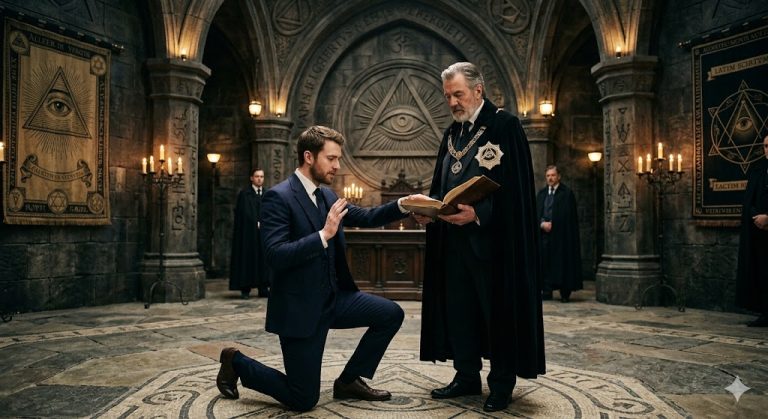
Illuminati Rituals: Understanding the Historical Traditions Behind the Mystery
The topic of Illuminati rituals has fascinated historians, researchers, and readers for generations. From the founding of the Bavarian Illuminati during the eighteenth century to its influence on literature and popular culture, the idea of Illuminati rituals continues to inspire curiosity and academic discussion. Many people search for information about Illuminati rituals because they want to understand the historical traditions, symbolic practices, and cultural environment surrounding one of Europe’s most recognized intellectual societies.
The historical Bavarian Illuminati was founded during the Age of Enlightenment, a period that valued education, reason, and the exchange of ideas. Like many organizations of the era, the group developed traditions and ceremonial customs that reflected its identity and helped strengthen its sense of community.
Understanding Illuminati rituals from a historical perspective provides insight into the customs and cultural practices of eighteenth-century intellectual societies.
The Historical Origins of Illuminati Rituals
To understand Illuminati rituals, it is important to examine the historical context of the Bavarian Illuminati.
The organization was founded in 1776 by Adam Weishaupt in Bavaria, now part of modern Germany. During the Enlightenment, many educational and philosophical societies developed formal traditions that helped organize meetings and encourage participation among members.
Historical ceremonies often included symbolic language, structured gatherings, and educational discussions. These customs reflected the broader traditions of eighteenth-century European organizations.
The Enlightenment and Ritual Traditions
The Age of Enlightenment influenced many cultural institutions and organizations. Rituals during this period often emphasized shared values and community identity rather than secrecy alone.
The Enlightenment encouraged:
- Education.
- Intellectual discussion.
- Scientific inquiry.
- Personal development.
- Cultural appreciation.
- Cooperation.
Historical organizations frequently used ceremonial traditions to celebrate these principles and strengthen connections among participants.
The Purpose of Historical Rituals
Many historical societies developed rituals to create a sense of belonging and continuity.
Historically, rituals could serve several purposes:
Building Community
Shared traditions encouraged cooperation and friendship.
Preserving History
Ceremonies helped pass knowledge from one generation to another.
Celebrating Values
Organizations recognized the principles that guided their activities.
Encouraging Learning
Gatherings often included educational discussions and cultural exchange.
These practices were common among many eighteenth-century organizations.
Symbolism and Illuminati Rituals
The subject of Illuminati rituals is often connected with historical symbols that have broader cultural meanings.
Light
Light traditionally represents education, wisdom, and understanding.
The Eye
The eye symbolizes awareness and observation.
Geometric Patterns
Historical designs often represent balance, harmony, and order.
These symbols have appeared throughout history in architecture, literature, and art.
Ceremonial Traditions in Historical Societies
The historical Bavarian Illuminati was not unique in developing ceremonial traditions. Across Europe, many organizations established customs that reflected their values and goals.
Common historical traditions included:
- Formal meetings.
- Educational lectures.
- Symbolic language.
- Shared celebrations.
- Cultural discussions.
- Historical commemorations.
These practices helped create strong communities and preserve organizational identity.
Illuminati Rituals and Education
Education played an important role during the Enlightenment and influenced many historical traditions.
Educational activities encouraged individuals to:
- Study history.
- Explore philosophy.
- Appreciate literature.
- Develop critical thinking.
- Share knowledge.
- Build intellectual communities.
The historical context surrounding Illuminati rituals reflects this broader commitment to learning.
Historical Research
Academic researchers continue to study historical organizations and their traditions.
Research related to Illuminati rituals often explores:
- Adam Weishaupt.
- Bavarian history.
- Enlightenment philosophy.
- European intellectual societies.
- Cultural traditions.
- Historical symbolism.
These studies help preserve an important part of European history.
Illuminati Rituals in Literature
The idea of Illuminati rituals has inspired writers for centuries.
Literary themes often include:
- Historical discovery.
- Education.
- Adventure.
- Cultural exploration.
- Human curiosity.
- Intellectual growth.
Creative works have contributed to public interest in historical organizations and their traditions.
Popular Culture
Modern entertainment frequently references Illuminati rituals as part of historical and fictional storytelling.
The topic appears in:
- Books.
- Television programs.
- Films.
- Video games.
- Documentaries.
- Educational media.
These creative interpretations encourage audiences to learn more about history and culture.
Frequently Asked Questions
What are Illuminati rituals from a historical perspective?
Historically, they refer to ceremonial traditions and symbolic practices associated with the Bavarian Illuminati and similar eighteenth-century organizations.
Why did historical organizations develop rituals?
Rituals helped build community, preserve traditions, and celebrate shared values.
Why are Illuminati rituals still popular?
Their connection to history, symbolism, and literature continues to attract interest.
What can readers learn from studying Illuminati rituals?
They can explore European history, cultural traditions, philosophy, and the Enlightenment.
Lessons from Historical Traditions
The study of Illuminati rituals offers several valuable insights.
Community Matters
Shared traditions strengthen relationships.
Education Has Lasting Value
Learning encourages personal and social development.
History Preserves Culture
Understanding the past helps protect important traditions.
Curiosity Inspires Discovery
Exploring history broadens human understanding.
These lessons remain meaningful today.
The Cultural Legacy of Illuminati Rituals
Although the historical Bavarian Illuminati existed for only a limited period, its traditions and symbolism became part of broader cultural history.
The legacy of Illuminati rituals can be seen through:
- Historical research.
- Literature.
- Art.
- Education.
- Cultural studies.
- Popular entertainment.
These influences continue to inspire curiosity and academic interest.
Why Illuminati Rituals Continue to Fascinate Readers
People remain interested in Illuminati rituals because the subject combines several engaging areas of study.
Readers often enjoy exploring:
- European history.
- Enlightenment philosophy.
- Cultural traditions.
- Historical symbolism.
- Literature.
- Educational movements.
The broad appeal of these topics helps explain the enduring popularity of the keyword.
The Future of Historical Study
As historians preserve documents and conduct new research, our understanding of historical organizations continues to grow.
Future research into Illuminati rituals may provide additional insight into:
- European intellectual history.
- Educational traditions.
- Cultural symbolism.
- Social organizations.
- Philosophical movements.
- Historical communication.
These studies help preserve valuable historical knowledge for future generations.
Conclusion
The history of Illuminati rituals provides an interesting perspective on the traditions and cultural practices of eighteenth-century intellectual societies. Influenced by the Age of Enlightenment, the historical Bavarian Illuminati developed within an environment that valued education, thoughtful discussion, and community.
Although the original organization existed for a relatively short time, its historical traditions and symbolic practices have continued to inspire research and cultural interest. The study of Illuminati rituals offers readers an opportunity to explore European history, philosophy, literature, and the cultural heritage of the Enlightenment.
By understanding the historical context surrounding Illuminati rituals, we gain a greater appreciation for the importance of education, shared traditions, and intellectual curiosity in shaping human civilization. The continuing fascination with the topic reminds us that history and culture remain valuable sources of knowledge and inspiration for people around the world.